The Nature of Luck in Casino Games
The perception of luck as the primary force driving casino games is a prevalent belief among the general public. Many players enter casinos with the mindset that outcomes are purely random and dictated by chance, which adds an exhilarating element to the experience. However, this perspective often ignores the sophisticated mechanisms at work that govern these games, such as the technology found at 1win , which utilize random number generators and complex algorithms to determine outcomes, creating an illusion of luck while ensuring fairness and unpredictability.
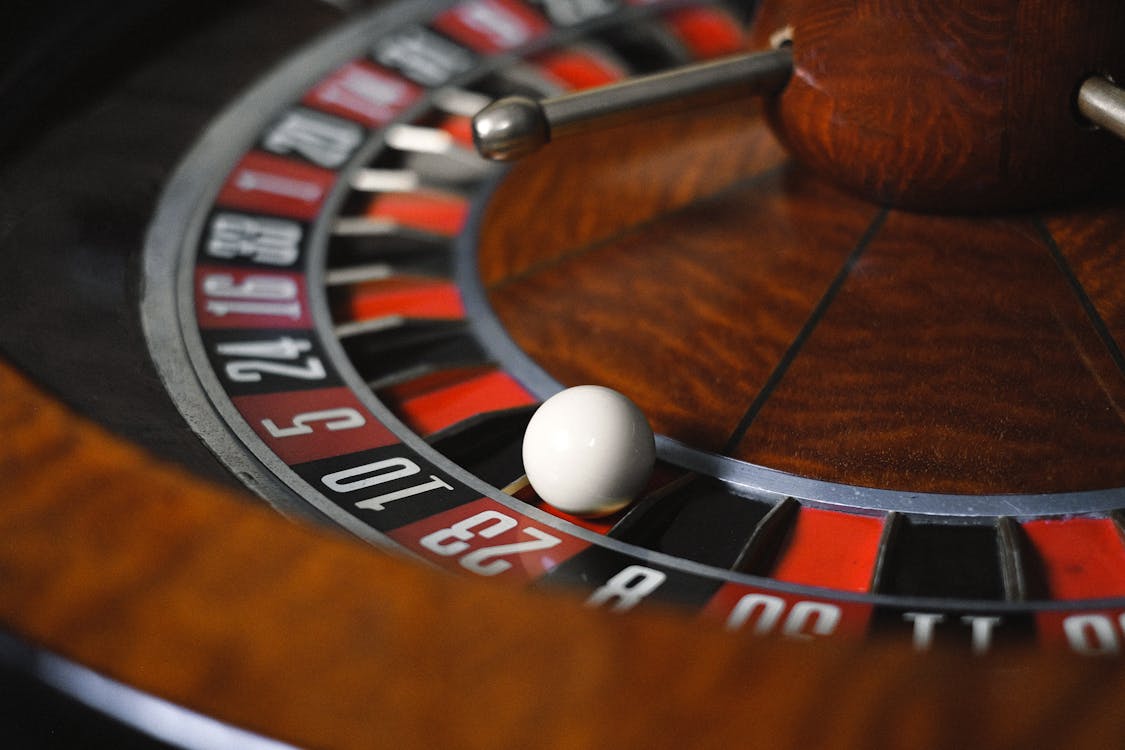
To truly understand luck’s role in gambling, one must differentiate between games of chance and games of skill. In pure games of chance, such as slot machines and roulette, luck undeniably plays a significant role. However, even within these frameworks, players can influence outcomes through strategic approaches, such as timing their bets or managing their bankrolls effectively. This interplay between luck and strategy complicates the narrative that luck is the only factor at play in casino games.
Furthermore, luck is not a uniform concept that applies equally to all players. What one person may view as a stroke of luck could be a statistical anomaly for another. It’s crucial to recognize that while luck does contribute to the outcomes, it doesn’t overshadow the skill and experience knowledgeable players bring to the table. This nuanced understanding reshapes the conversation about luck in gambling, emphasizing that it is only one piece of a much larger puzzle.
The Statistical Edge: Probability in Casino Games
At the core of every casino game lies a complex framework of probability and statistics. Each game variation is meticulously designed to ensure a specific return to player (RTP) rate, which indicates the percentage of wagered money a player can expect to receive back over time. This mathematical foundation enables casinos to remain profitable while still providing players with a fair chance of winning. By understanding this statistical edge, players can make more informed decisions rather than relying solely on luck.
In games like blackjack and poker, players can apply strategies grounded in probability to enhance their odds of success. By calculating the likelihood of certain hands occurring or the potential outcomes of various bets, players can make more educated choices. This strategic aspect underscores the importance of skill and knowledge in influencing results, thereby diminishing the reliance on luck in games that may initially appear entirely random.

Moreover, examining the concept of the house edge provides insight into how casinos sustain their profitability. The house edge represents the statistical advantage that casinos possess in any given game. For instance, while a slot machine may feature appealing themes and captivating graphics, understanding the RTP and house edge can unveil the reality that the odds are not always favorable to the player. This analytical perspective encourages players to take their understanding of probability seriously, rather than confining their experiences to mere luck.
The Psychology of Gambling: Chasing Losses and Hot Streaks
The psychological dimensions of gambling significantly affect how players perceive luck and success. A common phenomenon among gamblers is “loss chasing,” where individuals continue to gamble in an effort to recoup previous losses. This behavior can distort their understanding of luck, as players may convince themselves that a winning streak is imminent, despite the statistical realities of the game. Such psychological traps can obscure a clear assessment of luck’s true nature in casino gaming.
Additionally, the ideas of hot and cold streaks further complicate the perception of luck. Players often believe they can sense when a game is “due” for a payout, prompting them to stake larger sums in hopes of a winning sequence. This belief can lead to heightened risk-taking behavior, illustrating how cognitive biases shape gambling decisions. Consequently, many players attribute their wins and losses to luck rather than developing a deeper understanding of the game mechanics involved.
The excitement of gambling can amplify these psychological influences, creating an adrenaline rush from near wins or sudden large payouts. This emotional response can lead players to feel that luck is a significant factor, despite the underlying statistical realities. By acknowledging these psychological aspects, players can better approach their gaming strategies with a rational mindset, allowing them to separate the influence of luck from skillful play.
Skill-Based Games: The Balance of Luck and Strategy
In certain casino games, the relationship between luck and strategy becomes more evident, particularly in skill-based games like poker and blackjack. In these instances, skilled players can leverage their knowledge and experience to outperform opponents and optimize their bets. This dynamic challenges the notion that luck is the only determinant of success in gambling. Players who dedicate time to learning strategies and honing their skills are often more successful over the long term.
The variance in outcomes is even more pronounced when contrasting skill-based games with pure games of chance, such as slot machines. In poker, while the cards dealt are subject to chance, the ability to read opponents, bluff effectively, and manage one’s stack plays a crucial role in influencing the game’s outcome significantly. Strategic thinking can often overshadow the role of luck, creating a more complex and exciting gaming experience.
Moreover, the casino landscape is evolving, with many establishments increasingly offering tournaments and competitions that place greater emphasis on skill over luck. These events require players to rely on their abilities, knowledge, and strategic thinking rather than mere chance. As the industry progresses, the distinction between skill and luck may become even more pronounced, reflecting a broader shift toward rewarding players for their expertise rather than leaving outcomes solely to chance.
Your Journey into Responsible Gaming
As players navigate the intricate world of casino games, it is vital to embrace responsible gaming practices. Understanding the myths surrounding luck versus skill can empower individuals to make informed choices about their gambling habits. Responsible gaming encourages players to set limits on their spending, recognize the inherent risks, and understand that gambling should serve as a form of entertainment rather than a means to achieve financial success.
Many casinos provide resources and tools to assist players in managing their gaming experiences more effectively. These resources may include self-exclusion programs, setting deposit limits, and access to support services for those grappling with gambling-related issues. By fostering a culture of responsible gaming, both players and casinos can collaborate to mitigate the risks associated with gambling while still enjoying the thrill of the games.
Ultimately, grasping the dynamics of luck, skill, and psychological influences can lead to a more fulfilling gaming experience. When players approach gambling with awareness and responsibility, they can appreciate the entertainment value while maintaining control over their gaming choices, ensuring that their experiences remain positive and enjoyable. This understanding can pave the way for a more satisfying and controlled engagement with casino games.